【2023台灣當代一年展】遊牧藝術計畫 – 包裹起一片土地
Nomadic Art Project – Packs of Land

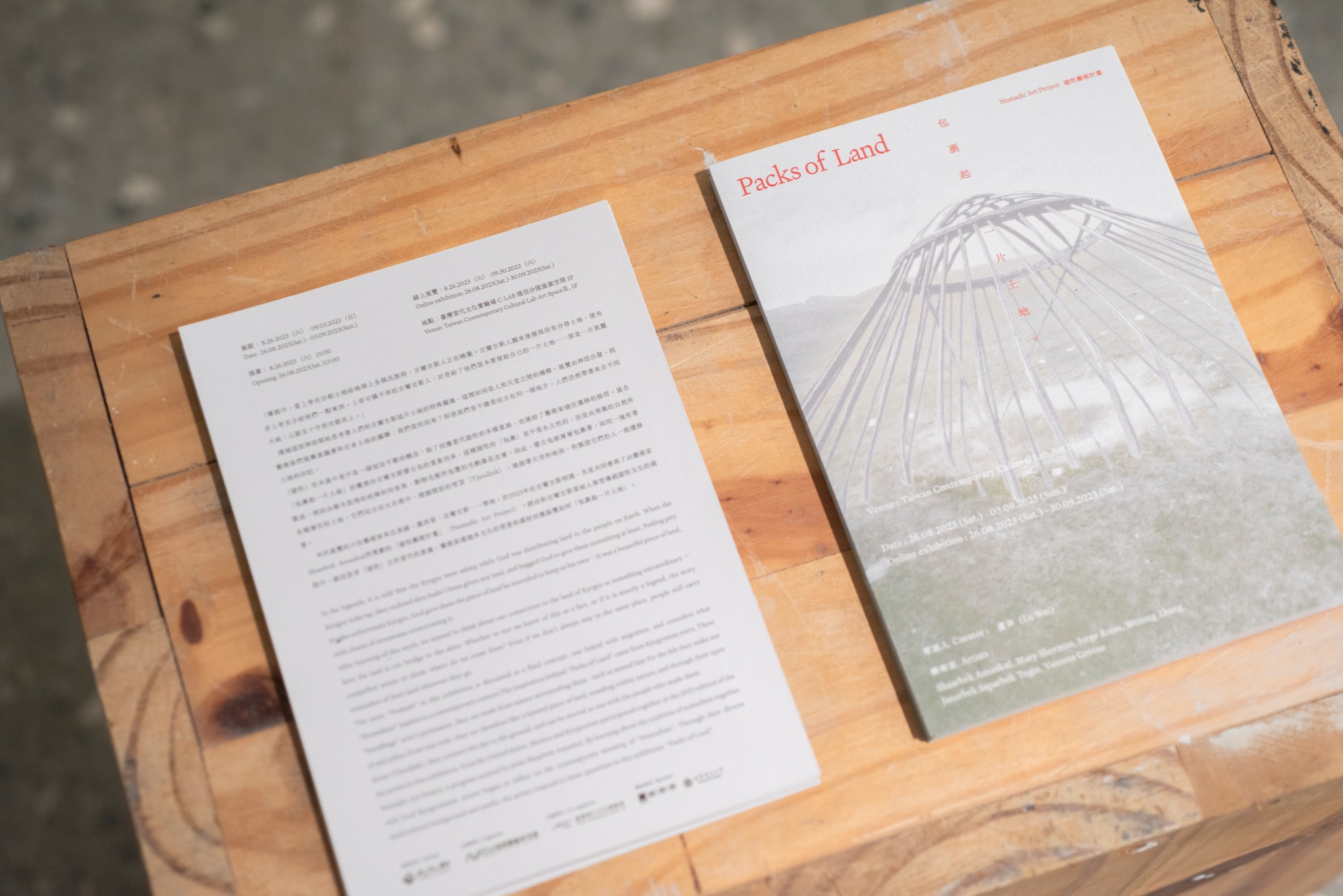
開幕暨藝術家表演:2023.8.26 (六) 15:00
Opening: 26.08.2023 (SAT) 15:00
表演者:周寬柔
展期:2023.8.26(六) – 2023.09.03(日)
線上展覽:2023.8.26 (六) – 2023.09.30 (六)
Date: 26.08.2023 (SAT) – 03.09.2023 (SUN)
Online exhibition: 26.08.2023 (SAT) – 30.09.2023 (SAT)
地點:臺灣當代文化實驗場 C-LAB 通信分隊展演空間 1F
Venue: Taiwan Contemporary Cultural Lab Art SpaceⅢ, 1F
策展人:盧芛
Curator: Lu Wei
藝術家 Artists: Shaarbek Amankul, Mary Sherman, Jorge Rojas, Weiting Zhang, Janarbek Saparbek Tegin, Vanessa Greene
展覽座談:2023.8.27 (日)13:30-15:00
Curator’s talk: 02.09.2023 (SAT) 15:00 at Taiwan Contemporary Cultural Lab Art SpaceⅢ, 1F
視覺設計:廖一豪
Graphic Designer: LIAO I-Hao
指導單位:文化部
Advisor: Ministry of Culture
主辦單位:台灣視覺藝術協會,B’Art Contemporary
Organizer: Association of the Visual Arts in Taiwan、B’Art Contemporary
合辦單位:臺灣當代文化實驗場
Co-organizer: Taiwan Contemporary Culture Lab
贊助單位:國家文化藝術基金會
Sponsor: National Culture and Arts Foundation
「傳說中,當上帝在分配土地給地球上各個民族時,吉爾吉斯人正在睡覺。吉爾吉斯人醒來後發現沒有分得土地,便央求上帝至少給他們一點東西。上帝可憐不幸的吉爾吉斯人,於是給了他們原本要留給自己的一片土地……那是一片美麗大地,山脈呈十字形交錯其上。」
透過這則神話開始思考著人們和吉爾吉斯這片土地的特殊關連-這裡如同是人和天堂之間的橋樑。展覽由神話出發,到藝術家們逐漸意識著和自身土地的關聯:我們從何而來?即使我們並不總是站立在同一個地方,人們仍然帶著來自不同土地的印記。
本次展覽的六位藝術家來自美國、墨西哥、吉爾吉斯……等地,於2023年在吉爾吉斯相遇,先是共同參與了由藝術家Shaarbek Amankul所策劃的「遊牧藝術計畫」(Nomadic Art Project)。經由和吉爾吉斯當地人學習傳統的遊牧文化的過程中,進而思考「遊牧」之於當代的意義。藝術家透過多文化的背景和媒材回應展覽如何「包裹起一片土地」。
「遊牧」在本展中並不是一個固定不動的概念,除了回應當代遊牧的多樣意涵,也連結了藝術家過往遷移的路徑,透過共同在吉爾吉斯的旅行時光,經驗著自身族裔、文化和土地之間的模糊邊界,並以具有創造性方式,連接了自身文化及傳統和吉爾吉斯的關係。
展名「包裹起一片土地」的靈感由吉爾吉斯蒙古包的意象而來,這種遊牧的「包裹」並不是永久性的,而是由周圍的自然所製成,例如由樹木取得的枝條如同骨架,動物毛髮所包覆的毛氈像是皮層。因此,蒙古包被層層包裹著,如同一塊有著各種層次的土地,它們站立在大自然中,通過開放的穹頂(Tjundjuk),連接著天空和地面,和製造它們的人一起遷移著。
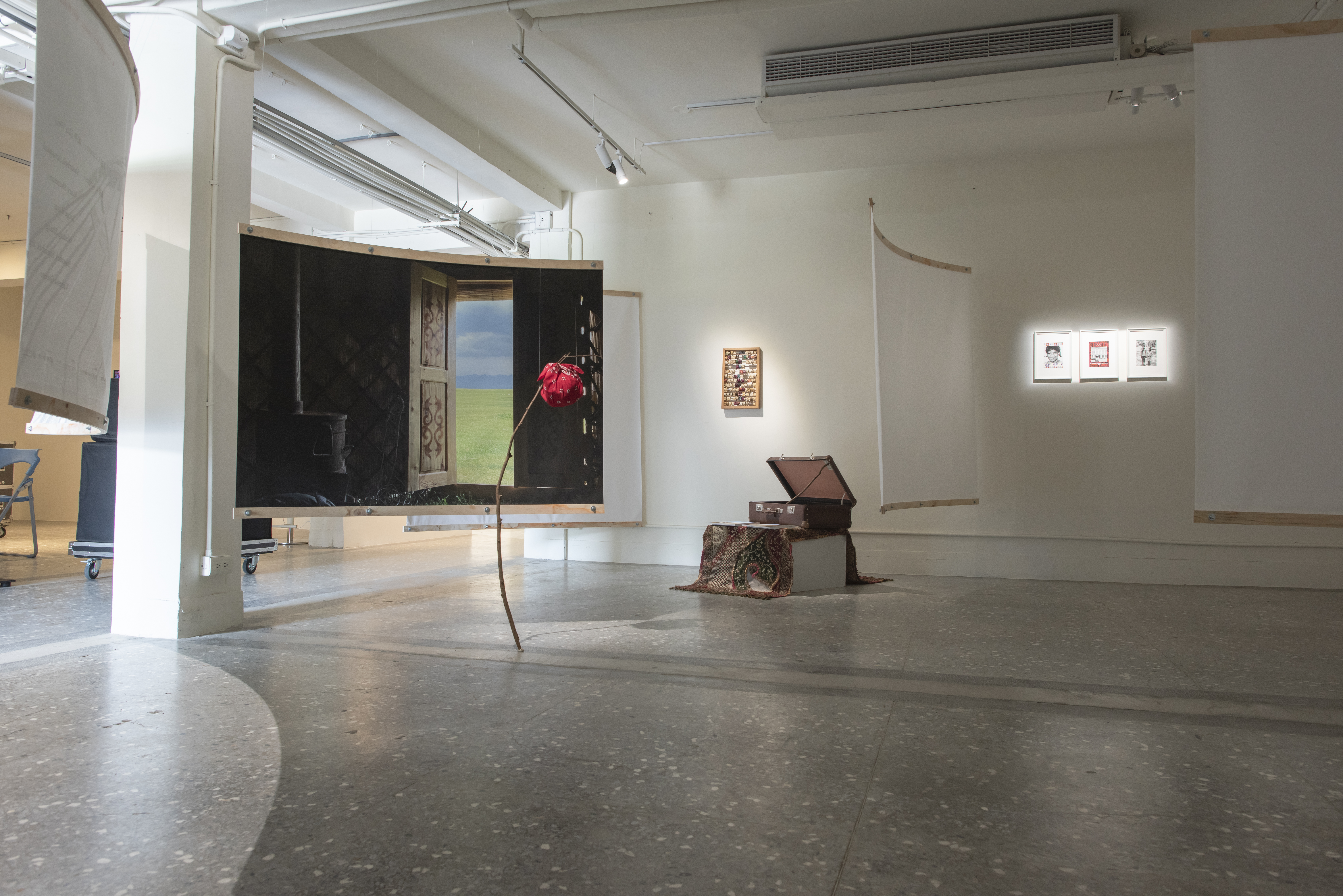
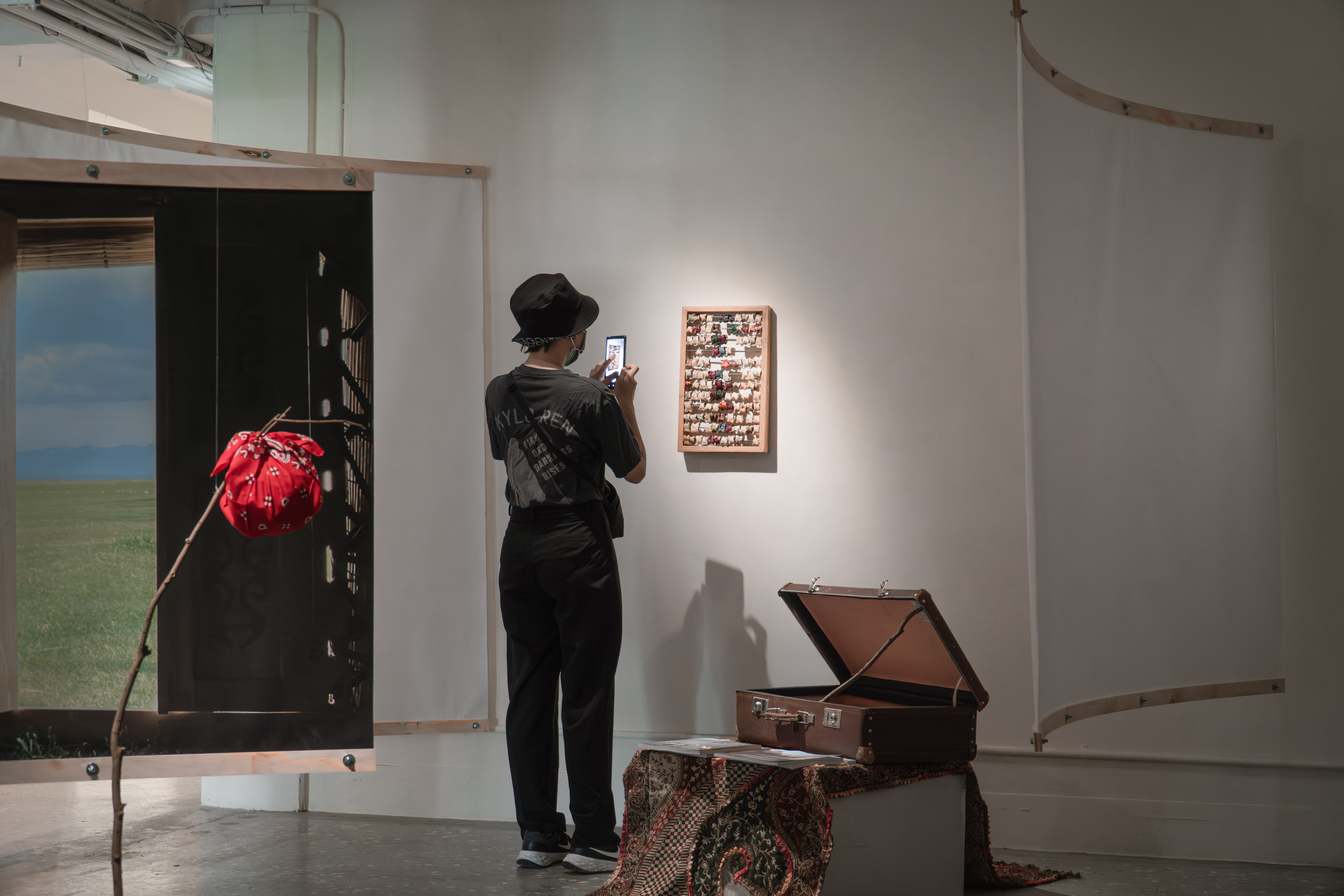
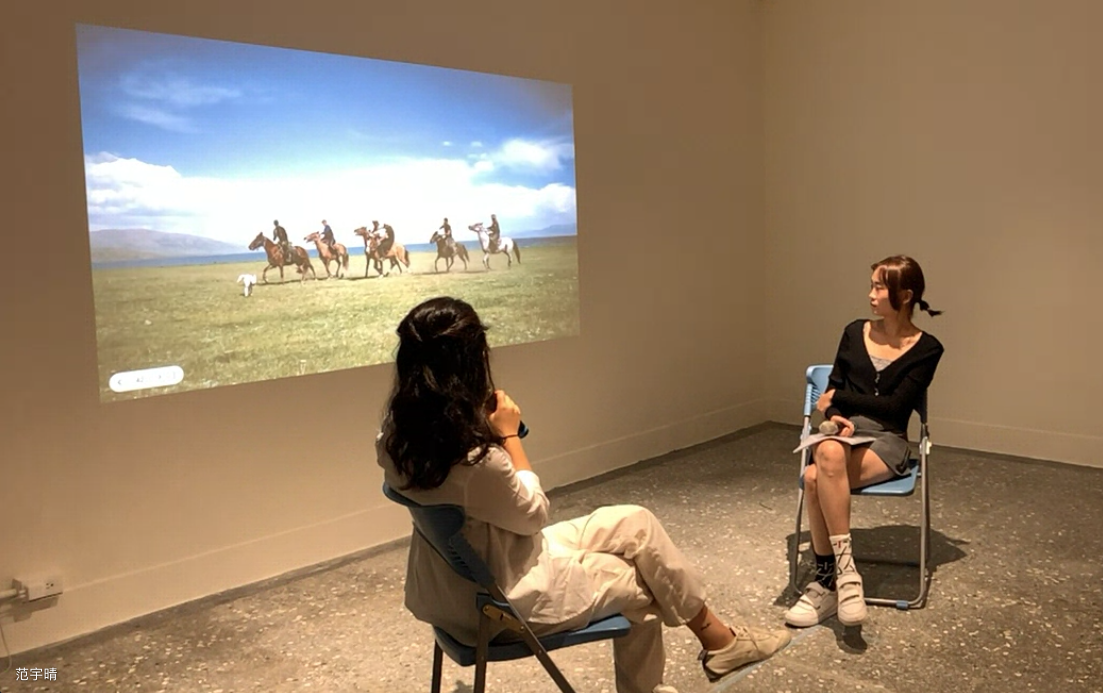
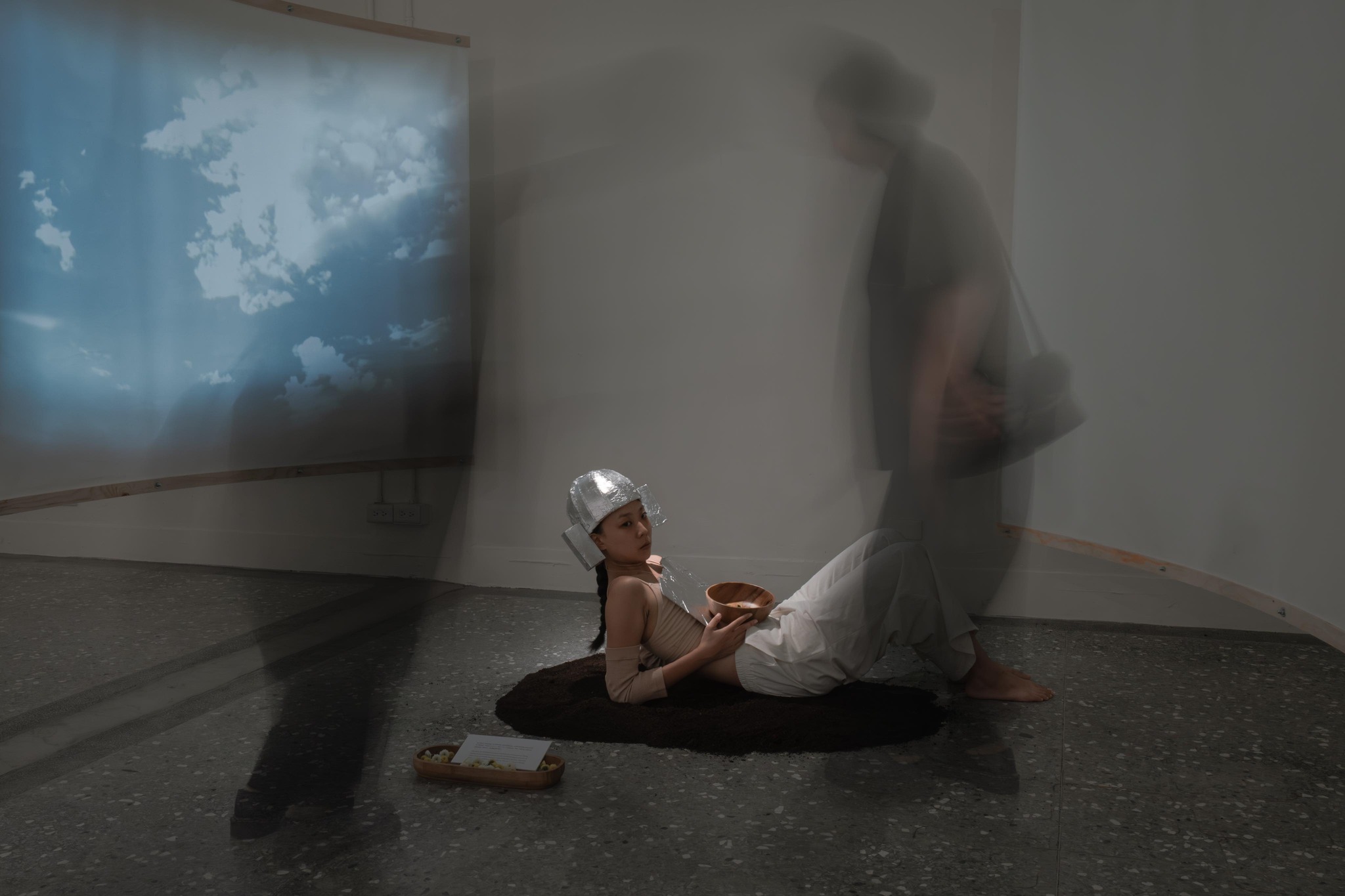
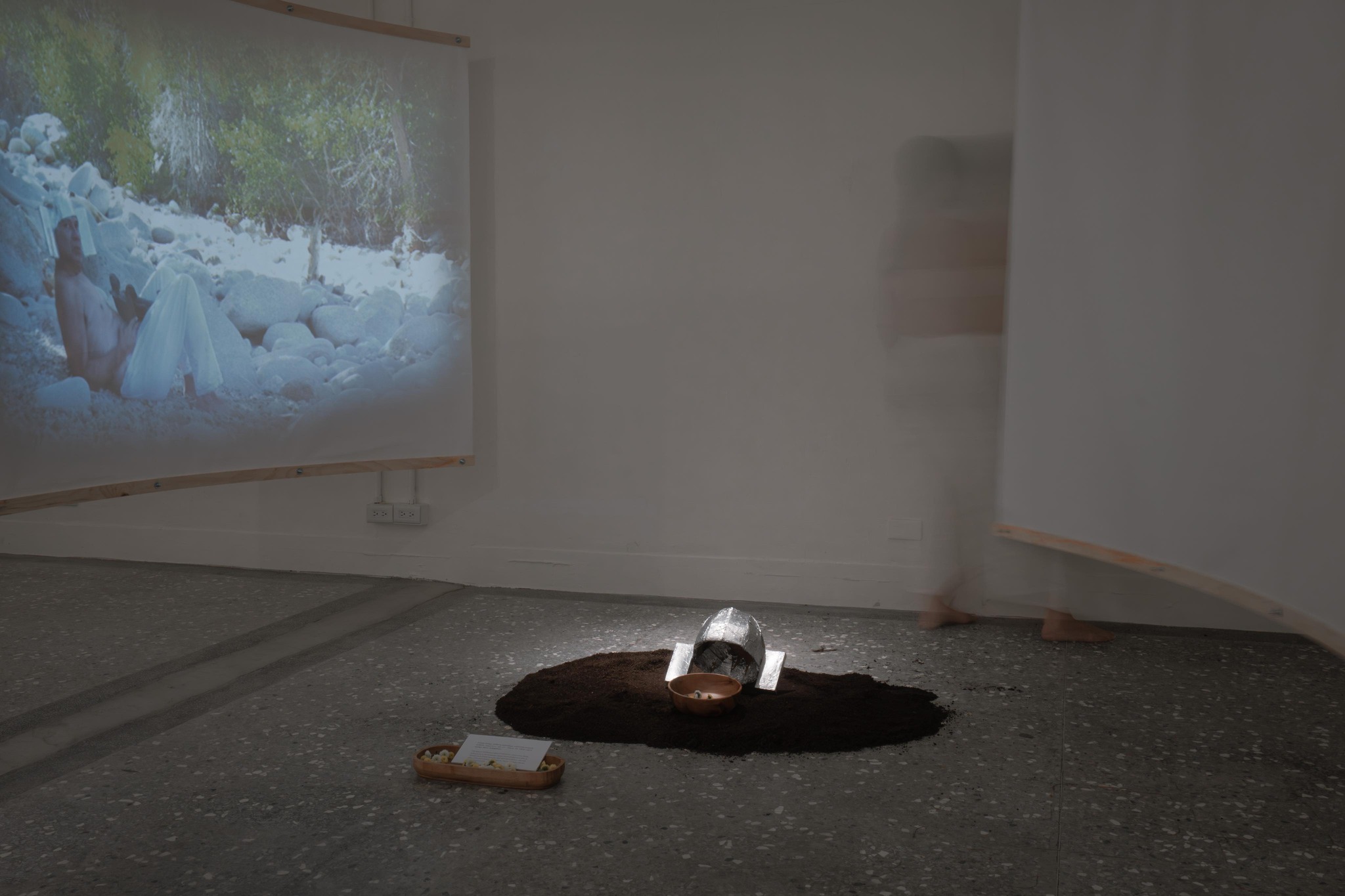
藝術家Mary Sherman聯想美國遊牧民族的意象,以具有代表性的流浪漢包裹(hobo bindles)現成物,融合了吉爾吉斯蒙古包由內而外拍攝的攝影視角,回應旅途中的遊牧心境。藝術家Jorge Rojas在錄像作品中裝扮著查克穆爾(Chac Mool),這個角色作為眾神的媒介,介於自然和超自然之間,透過表演錄像,重新探討了自身移民身份之於美國土地的關聯,另邀請了臺灣表演者重現查克穆爾的現場表演。同樣以身份回應遊牧主題的藝術家Vanessa Greene,以父親為非裔美國軍人,家人總是隨著他從一個軍事基地搬到另一個軍事基地為背景,透過攝影和書寫,思考著自身身份及不斷搬遷如同遊牧般的生命經驗之間的連結。
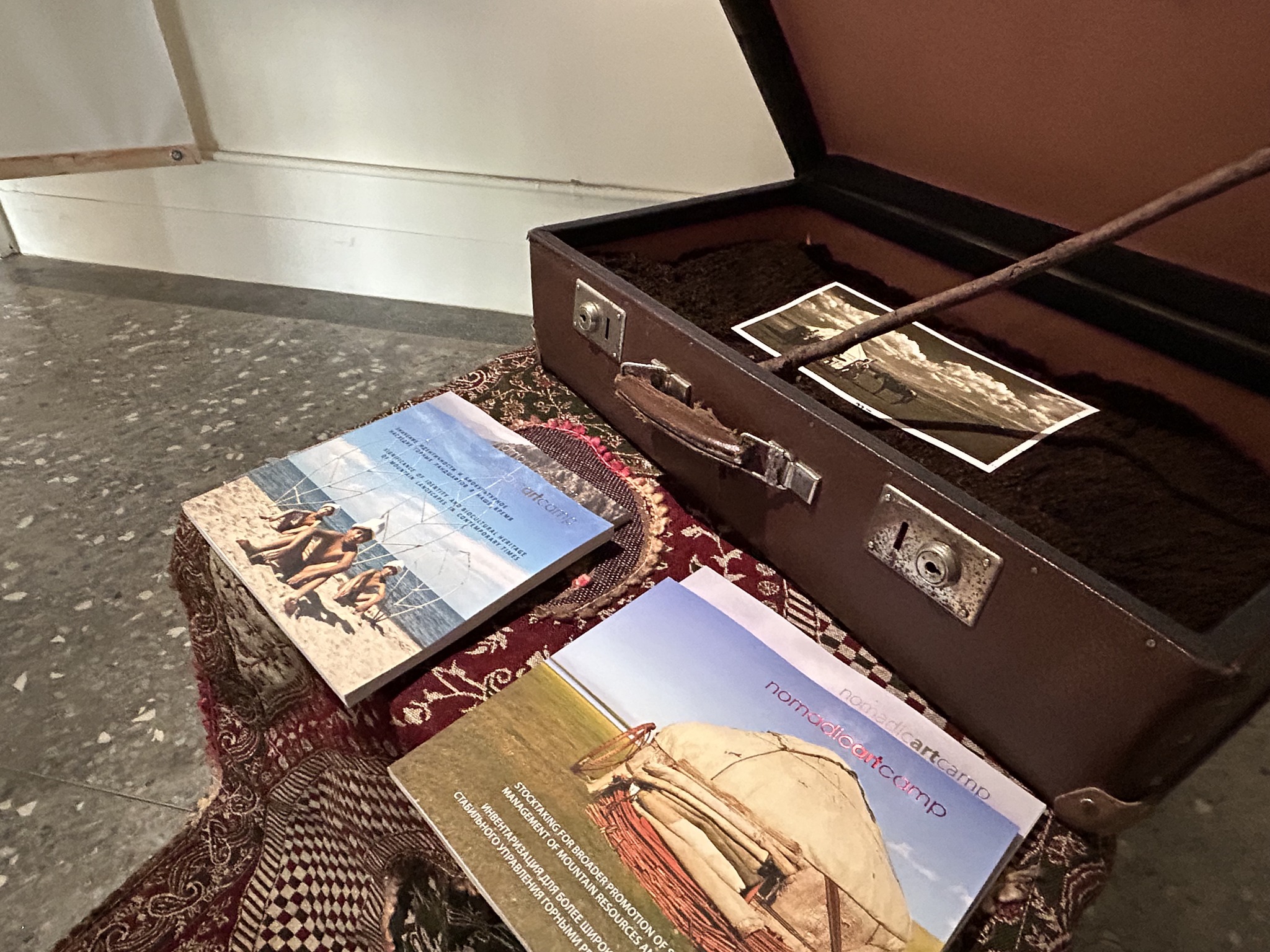
Shaarbek Amankul 探討了遊牧民族經歷快速現代化的社會所面臨的環境、精神和文化的挑戰,從吉爾吉斯遊牧生活方式中汲取靈感,以複合媒材,骨頭、錄像、書籍等,融合了口頭史詩《瑪納斯》和當代藝術領域、遊牧和薩滿教等主題。Janarbek Saparbek Tegin的攝影呈現了蒙古包建築的局部,也反映著遊牧民族的世界觀,即遊牧民族背著他們的門,在草原建造了一個圓頂,同時這個決定也創造一個世界。蒙古包的細節象徵著「存在」的各個部分,是每個遊牧民族的個人宇宙。除此之外,蒙古包劃定了私人領域和其他一切,如雨、風、動物和公眾凝視之間的界線,建築設計師Weiting Zhang為展覽設計了空間和動線。蒙古包被解構為弧形面板,其毛氈被轉換為懸吊著的手工紙,劃定出許多處私密的空間。蒙古包在更大的景觀中擁有自己的宇宙,而每塊面板皆象徵著每位藝術家獨有的一塊個人土地。
藝術家們將蒙古包的概念,作為他們作品的原點,透過在本展中重新包裹起他們的一片土地,詮釋了在全球化的背景下,對於自身土地的思考和想像。
In the legends, it is told that the Kyrgyz were asleep while God was distributing land to the people on Earth. When the Kyrgyz woke up, they realized they hadn’t been given any land, and begged God to give them something at least. Feeling pity for the unfortunate Kyrgyz, God gave them the piece of land he intended to keep as his own… It was a beautiful piece of land, with chains of mountains crisscrossing it.
After learning of this myth, we started to think about our connection to the land of Kyrgyz as something extraordinary – here the land is our bridge to the skies. Whether or not we know of this as a fact, or if it is merely a legend, the story compelled artists to think: where do we come from? Even if we don’t always stay in the same place, people still carry reminders of their land wherever they go.
Six artists in this exhibition, from the United States, Mexico, and Kyrgyzstan participated together in the 2023 edition of the Nomadic Art Project, a program curated by artist Shaarbek Amankul. By learning about the tradition of nomadism together with local Kyrgyzstanis, artists began to reflect on the contemporary meaning of “Nomadism”. Through their diverse multicultural background and media, the artists respond to these questions in this exhibition “Packs of Land”.
The term “Nomads” in this exhibition is discussed as a fluid concept, one linked with migration, and considers what “Nomadism” implies in a contemporary context. Artists from this exhibition reflect on their experience of traveling and their time in Kyrgyzstan, echoing the blurred boundaries between their ethnicity, culture, and land. Through creative means, they connect their own culture and tradition with local iconography.
The inspiration behind “Packs of Land” came from Kyrgyzstan yurts. These “bundlings” aren’t permanent, they are made from nature surrounding them – such as animal hair for the felt they make use of and pillars from tree rods- they are therefore like a layered piece of land, standing within nature; and through their open dome (Tjundjuk), they connect the sky to the ground, and can be moved as one with the people who made them.
Artist Mary Sherman contemplates the imagery of American nomads, and by combining hobo bindles with pictures of the Kyrgyz yurts shot from the inside out, her work echoes the nomadic traveler’s state of mind.
In his video artworks, the artist Jorge Rojas performs as Chac Mool, a character who acts as a medium for the gods, somewhere between the natural and the supernatural. Through their video performance, the artist reexamined the interrelation of one’s immigrant identity to the American land and invited Taiwanese performers to recreate the live performance of Chac Mool.
In parallel, artist Vanessa Greene also responds to nomadism through the lens of ethnicity. Following her African American father serving in the military, her family often relocated from one military base to another. She uses photography and writing to reference this familial background, and its constant state of relocation, as she considers how this experience and personal identity relate to nomadism.
Shaarbek Amankul explores the environmental, spiritual, and cultural challenges faced by nomads as they experience a rapidly modernizing society, drawing inspiration from the Kyrgyz nomadic way of life, using various media, bones, video, books, to merge Manas, the oral epic poems, with the different themes of contemporary art, nomadism, and shamanism.
Janarbek Saparbek Tegin’s photography presents architectural elements of yurts. The artworks reflect the worldview of nomads, who carry their door as they travel, build a dome in the steppe, and doing so, recreate a world where they go. The intricate details of a yurt symbolize various facets of one’s “existence”, the personal universe of each nomad.
Adding to this, the yurts demarcate the private from everything else, drawing a boundary at the rain, the wind, the animals, and the public gaze. The architect Weiting Zhang designed the space and routing of the exhibition, deconstructing the yurt into curved panels, and turning their felt into suspended handmade papers, which therefore delimited many intimate spaces. Within the greater landscape, the yurt holds onto its universe, and each panel symbolizes a piece of land, personal and unique to each artist.
The artists used the concept of Yurts as the starting point of their work, and through different acts of “packing”, each artist interpreted the ideas and imaginations about their lands in the context of today’s globalization.




 Lu Wei