混血人:部落踏查
混血人:部落踏查
混血人:來一場野性的餐會
This exhibition seeks to discuss the question of culture and identity from an indirect angle. Aside from the intermixing of culture, the impossibility of tearing, of being split into two, what the Mixed-Blood speak about is also the relationship between men and the land. In going on-site to explore Tafalong community, and in the use of soil as a medium to connect everyone, we started with the locals and saw the relationship between the land and us, these choices result in an indirect angle, where it is difficult to differentiate one from another, a “Yin” vision. As Latour said:「humain」 shares the etymology and meaning of 「humus」, of soil and decomposed organic matter, thus we no longer talk about mankind, what is discussed is “Earth people”, Earth people with no differentiation of gender or species.
《混血人:來一場野性的餐會》試圖以陰性的角度討論文化與身份的問題。
混血人談的除了是文化之間的混血、撕裂無法一分為二的狀態,也是人與在地的關係,經由到太巴塱部落踏查到展場以土壤作為串連每一個人的媒介,我 們由在地出發看見在地與我們的關係,這之間 (我們與在地的關係 ?或失去太巴塱用土的選擇?)似乎是一種難以分辨彼此的陰性 視野。如拉圖說:「humain」在詞源上有「humus」的意思,即壤土、腐植質, 我們不再談人類,談得是「地族」,地族不分性別、不分物種。
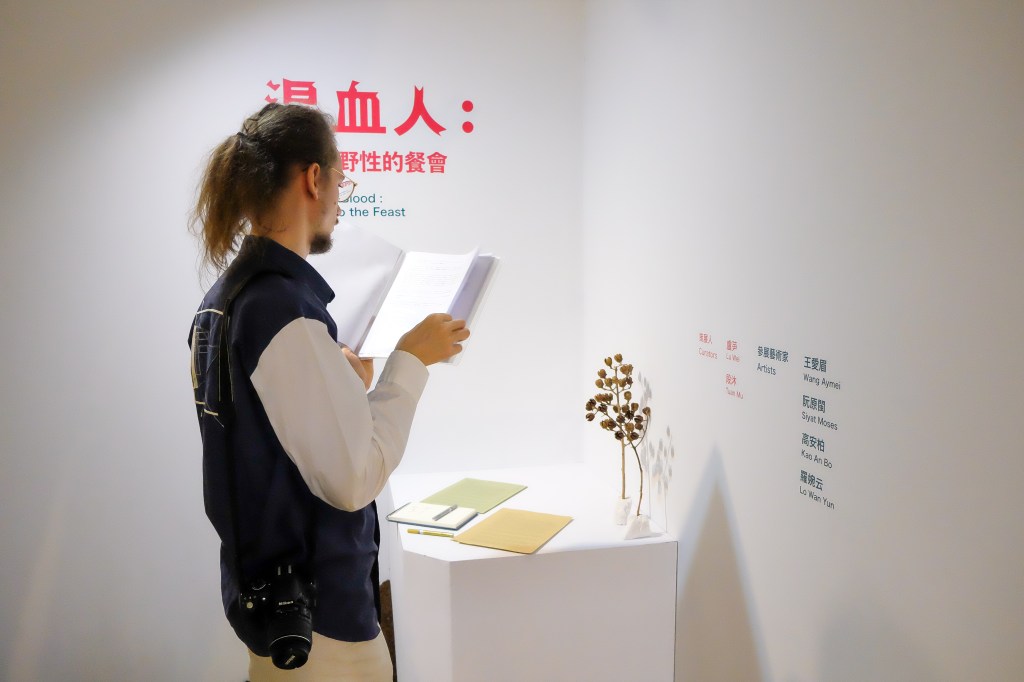
Curators | Lu Wei, Tuan Mu
策展人 | 盧芛、段沐
Artists | Wang Aymei, Siyat Moses, Kao An Bo, Lo Wan Yun
藝術家 | 王愛眉、阮原閩、高安柏、羅婉云
Date | 2020.10.31- 2020.11.30
展期 | 2020.10.31- 2020.11.30
Venue | Good Underground Art Space, Taiwan Hualien
地點 | 好地下藝術空間, 台灣花蓮

“Humus”, this word not only refers to cultural diversity but also to the artists working with mixed media to understand their own culture. “Humus” here is not used to reduce individuals, but it seeks, in a multicultural environment, to create a way to understand alterity, perhaps to look at it once from a fresh and different perspective or to look back on it just once.
It examines two sides, the first, how artists, faced with their own identity, find ways to understand it, the other, how the artists can develop a relationship with the locals.
In undergoing this short field trip to Tafalong indigenous community, the artists do not just present their work in continuity with their previous practice, at the same time, because they had to explore the village, it also generates the possibility of dialogue with its local community.
「混血人」一詞不光是指文化上的多元性亦是藝術家如何透過不同媒材作為理 解自身文化的方法,這裡的「混血人」並不是要化約所有人,而是試著在多元 文化的情境裡,創造理解差異的方式,它可能是一次重新翻轉的視角,或僅是一次的回看。探討兩個層面,一是藝術家在面對自己身份時如何找到一套理解的方法,另一方面則是藝術家如何與在地發生關係,透過到花蓮太巴塱部落進行短期踏查,藝術家們不只是展示自身創作脈絡的作品,同時也是透過向部落探求,產生與在地對話的可能。
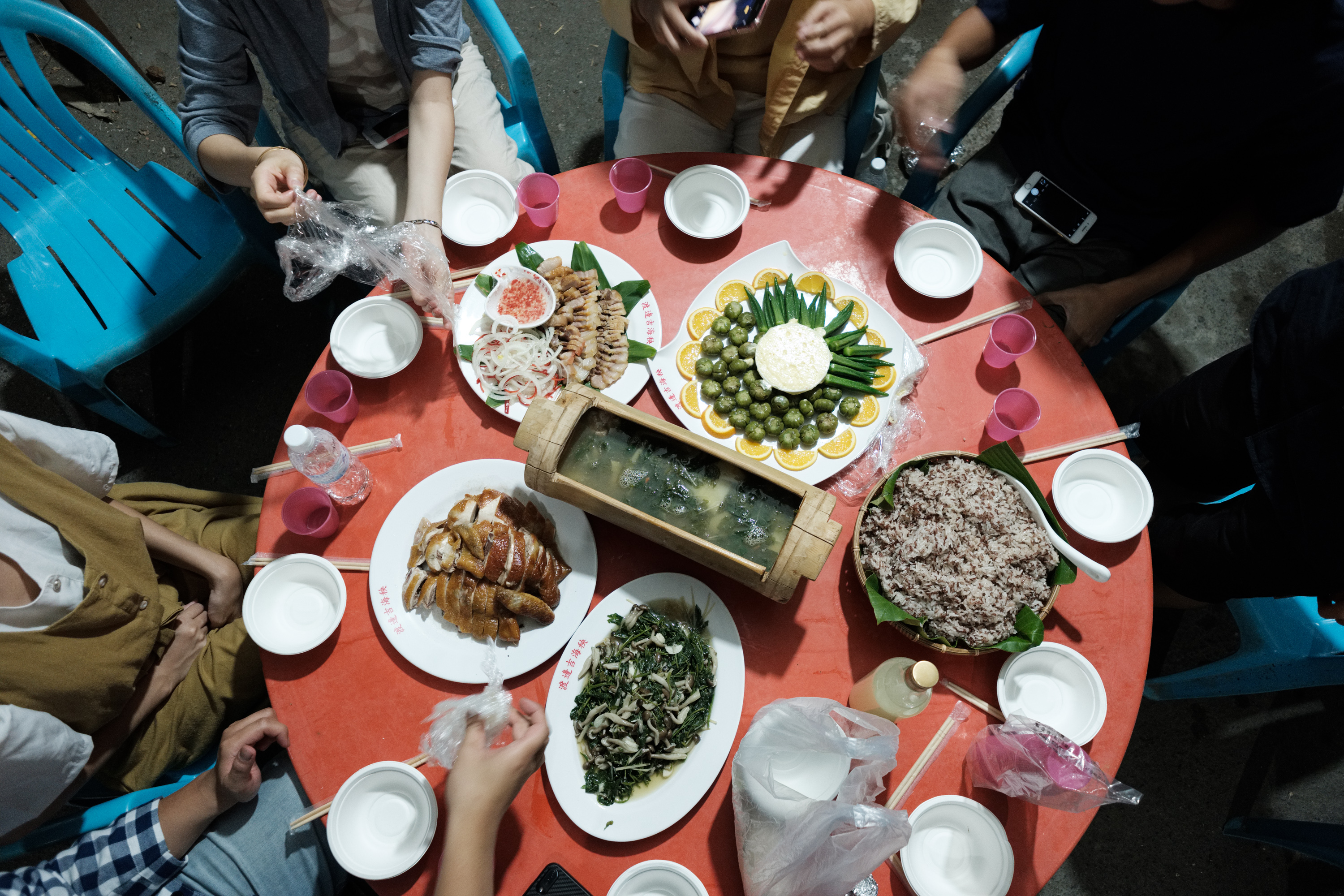
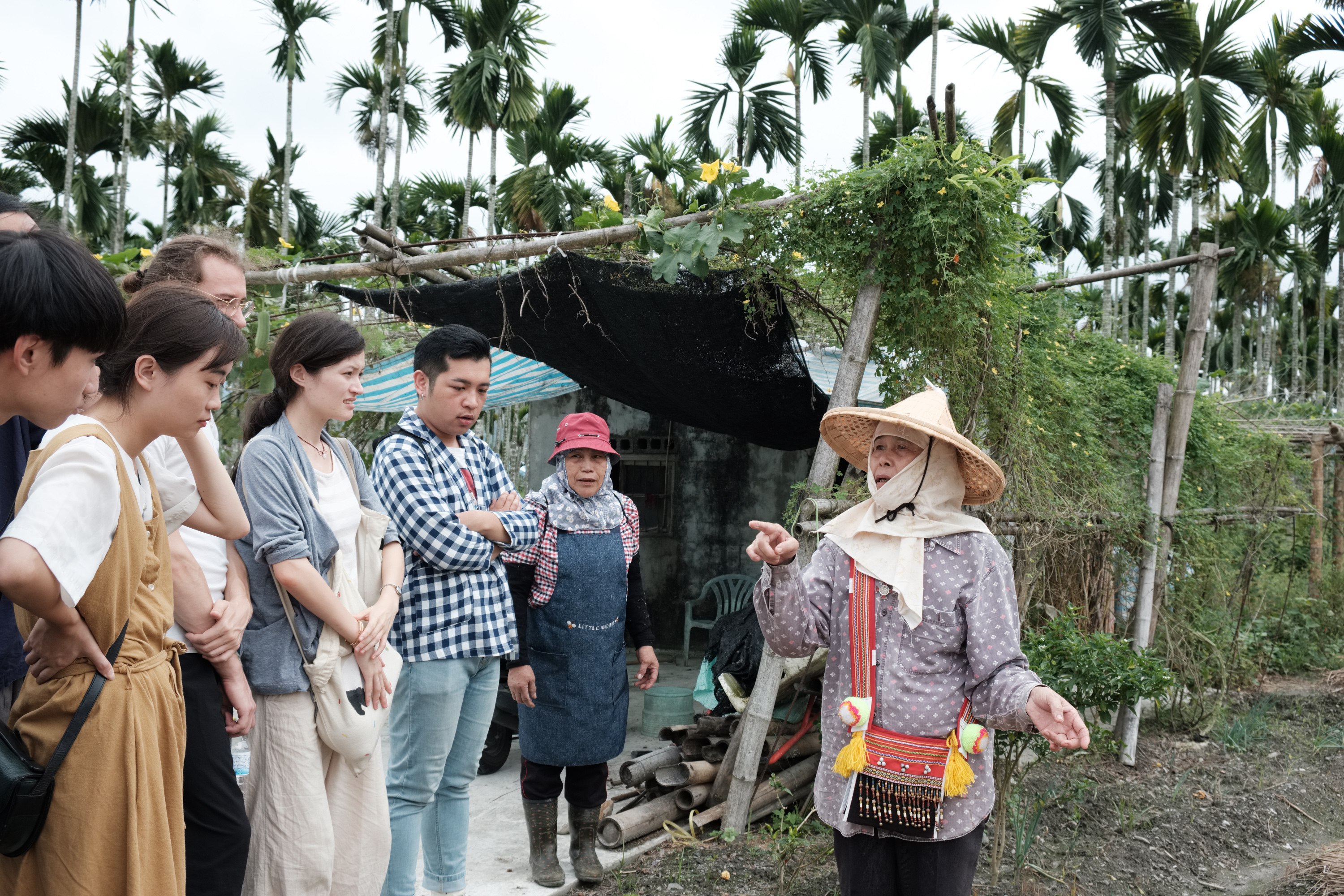

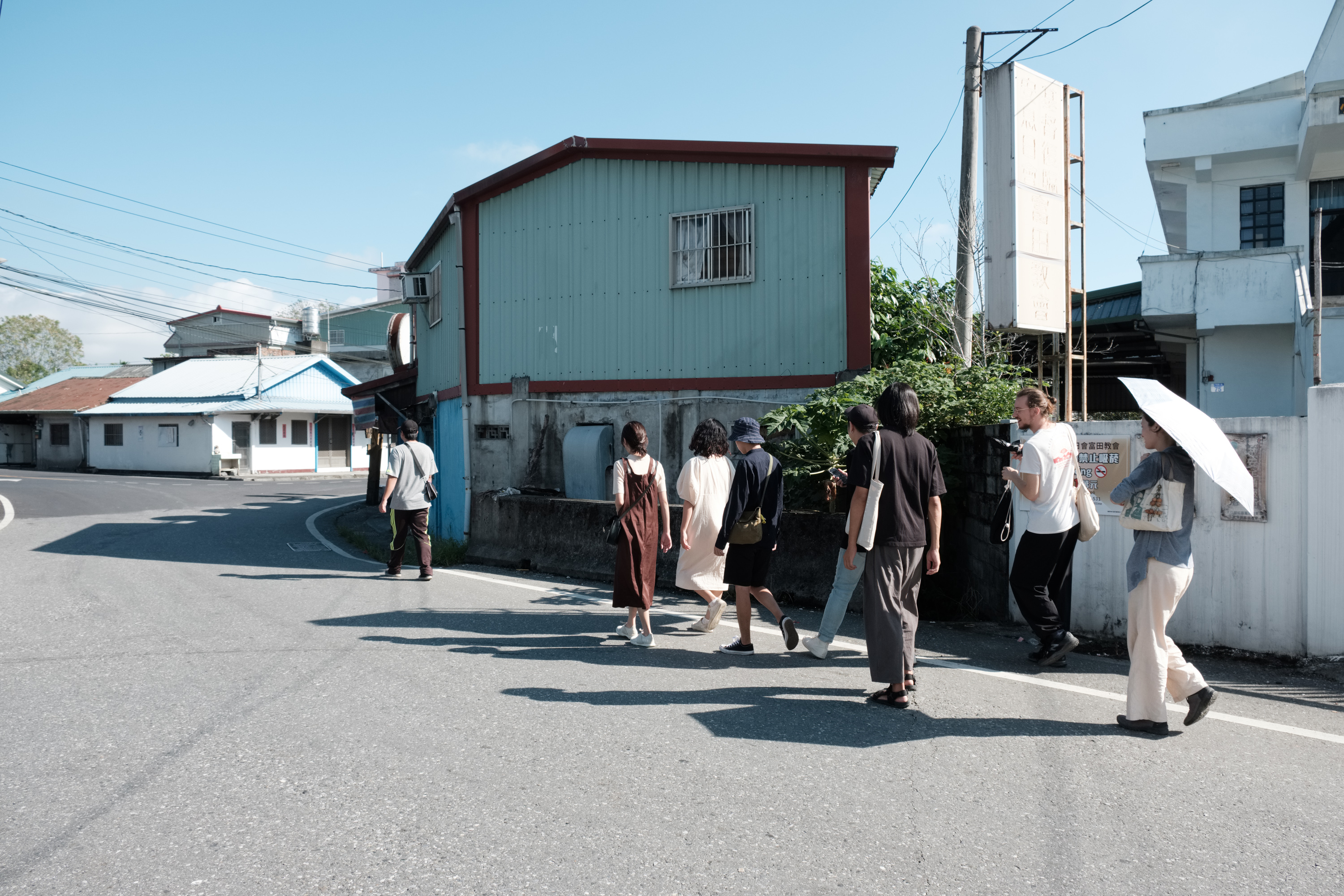
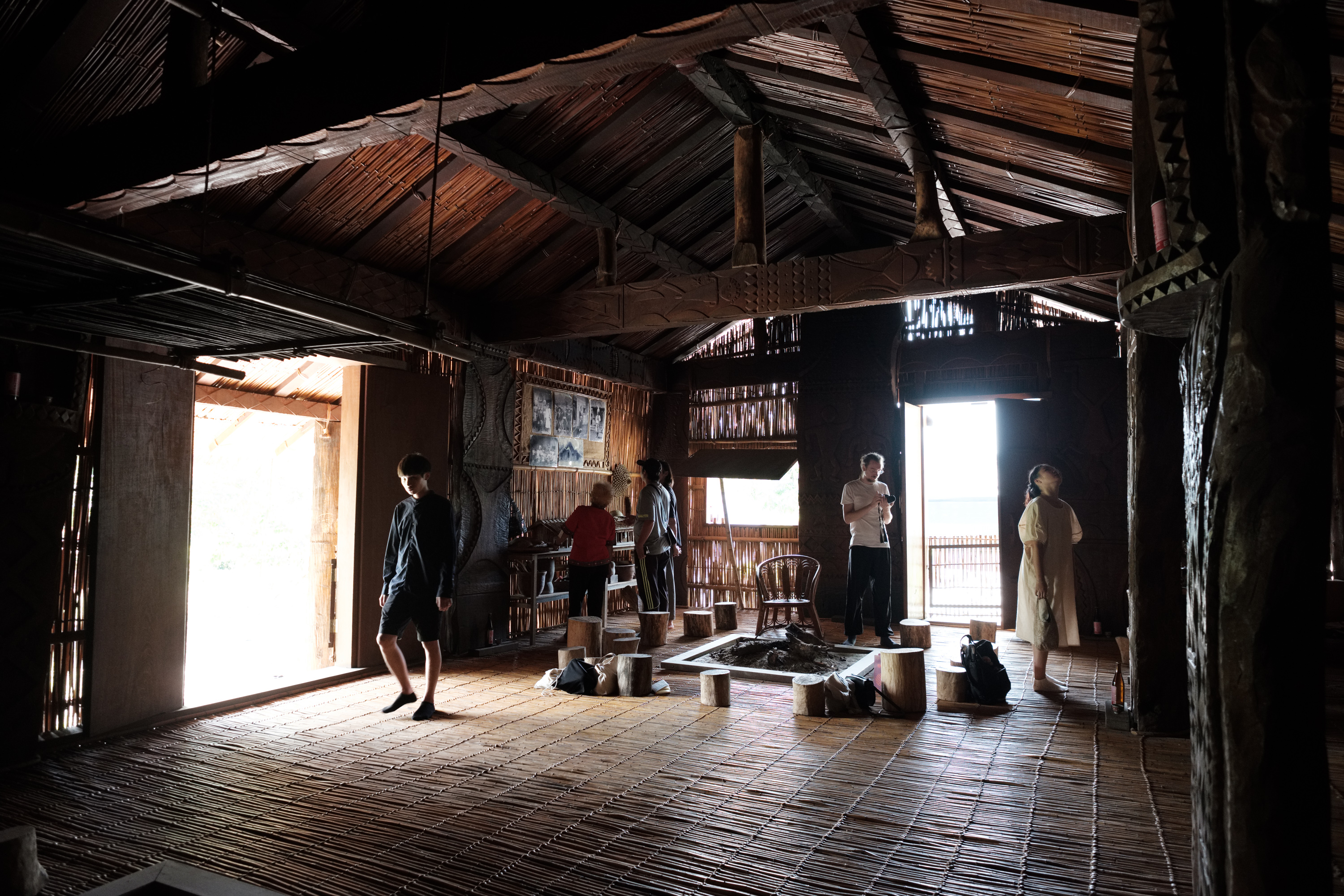
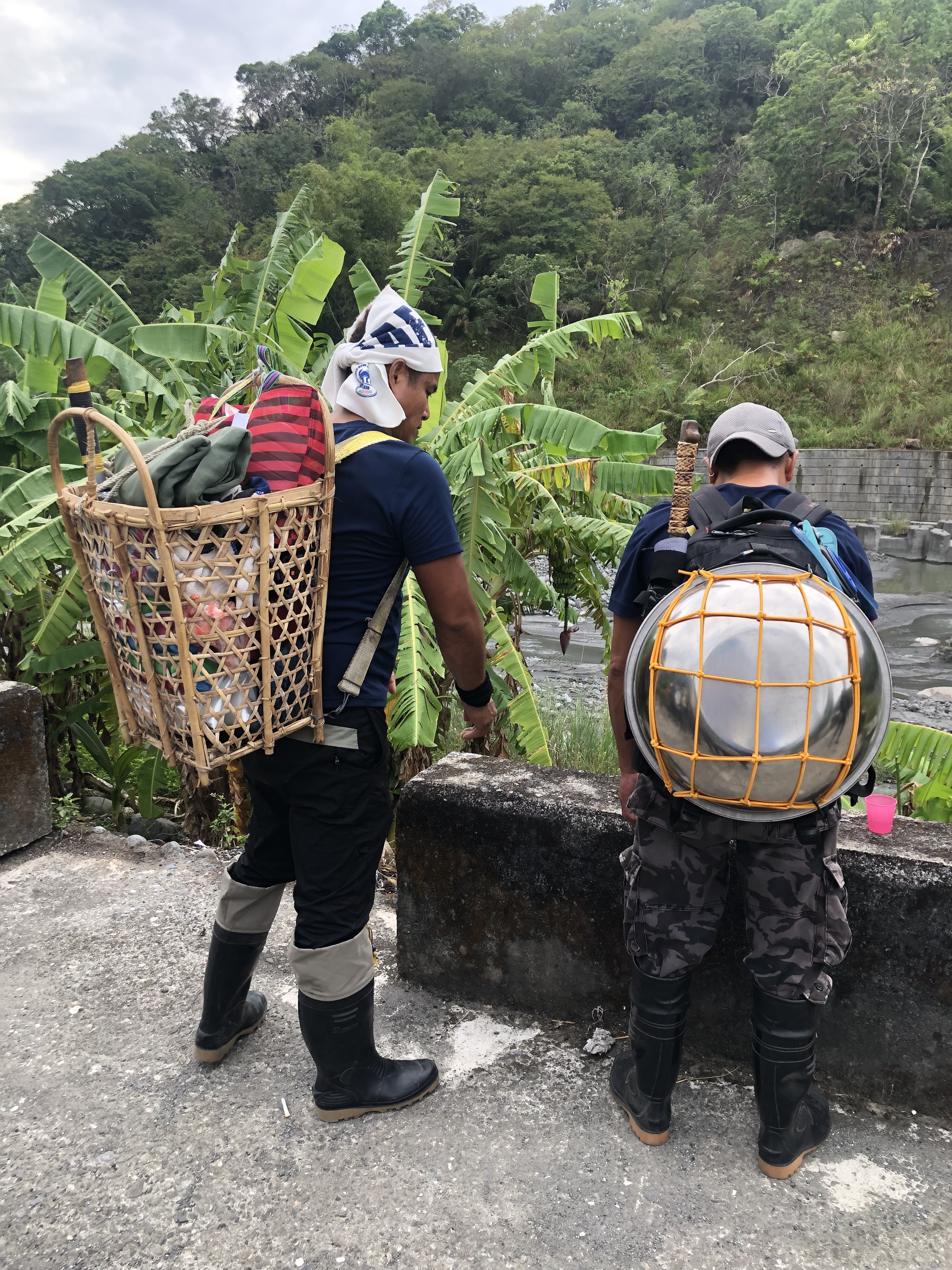
Before the exhibition, we brought the artists and went together with them to Tafalong on a field inquiry. In contact with the grandmothers of the indigenous community, we learned about how their ancestors derived natural resources from the land of Hualien, and how they could grow everything from this ground in Hualien and transform it into their own culture. Then, after the artists conducted this field study, aside from looking back at their own culture, and thinking about how to create new works in dialogue with Hualien and the communities, the artists decided to use in different ways either food, plants or storytellings, to echo their own works. The participating four artists, by working in different artistic approaches, reflect how people face the pursuit of identity in a multicultural setting through contemporary lens.
展覽前我們帶著與藝術家一同到太巴塱進行踏查,接觸部落裡的阿嬤們,認識祖先如何在花蓮這塊土地上汲取資源,將生長在花蓮土地上的一切,轉化成自己的文化,而藝術家在這次踏查後,除了回看自身的文化外,亦思考如何與花蓮對話並製作出新的作品,藝術家分別經由食物、植物與部落神話……等回應自 己的創作脈絡。參與的四位藝術家,分別以不同的藝術形式,體現當代人在多文化的情境裡,對於身份認同的追尋。
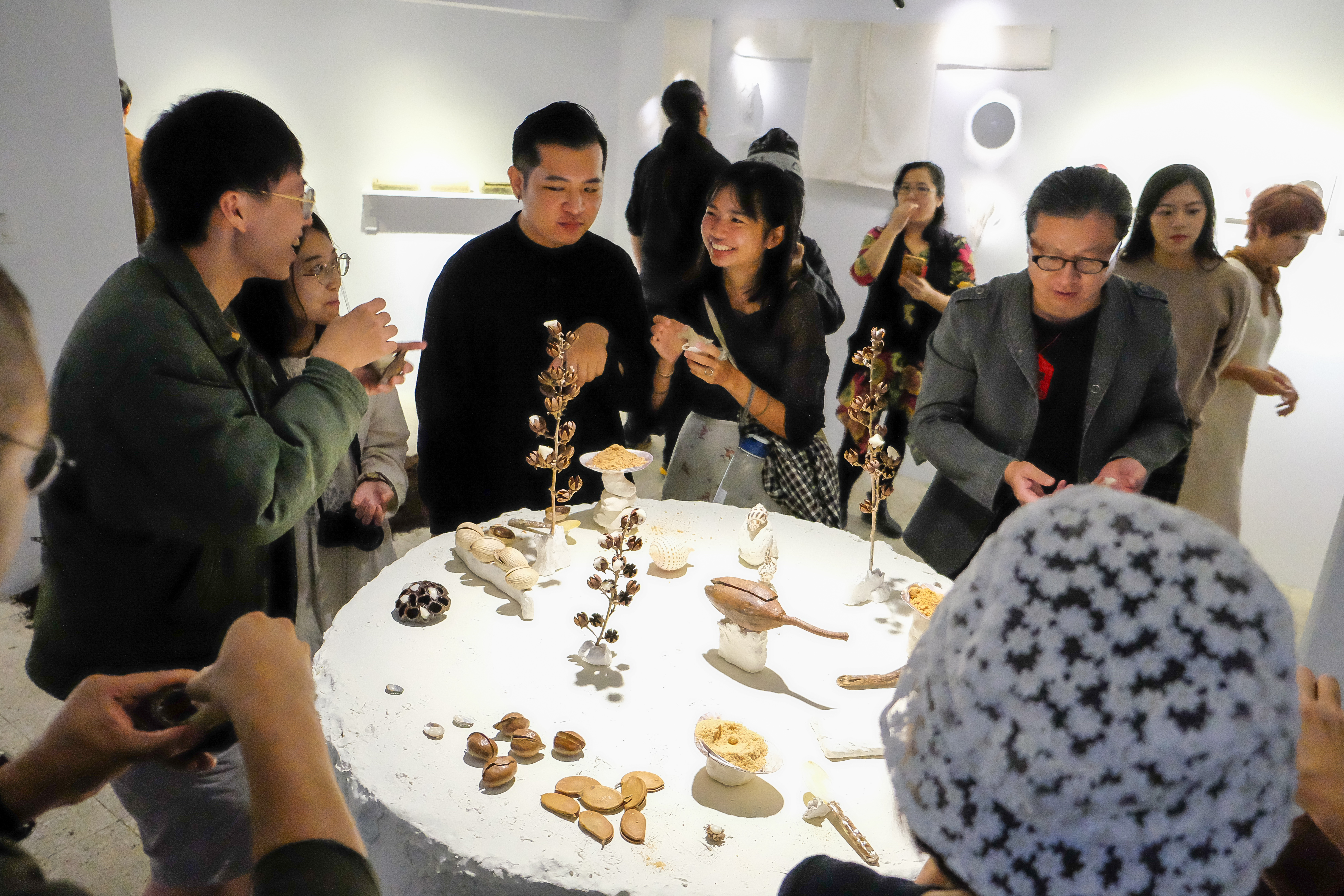

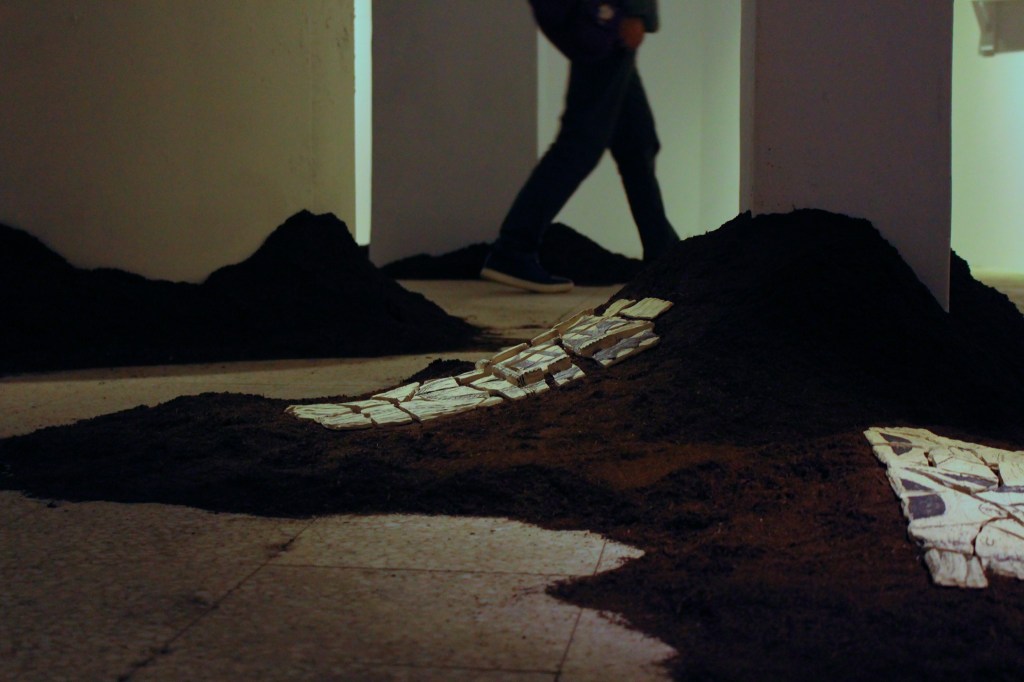
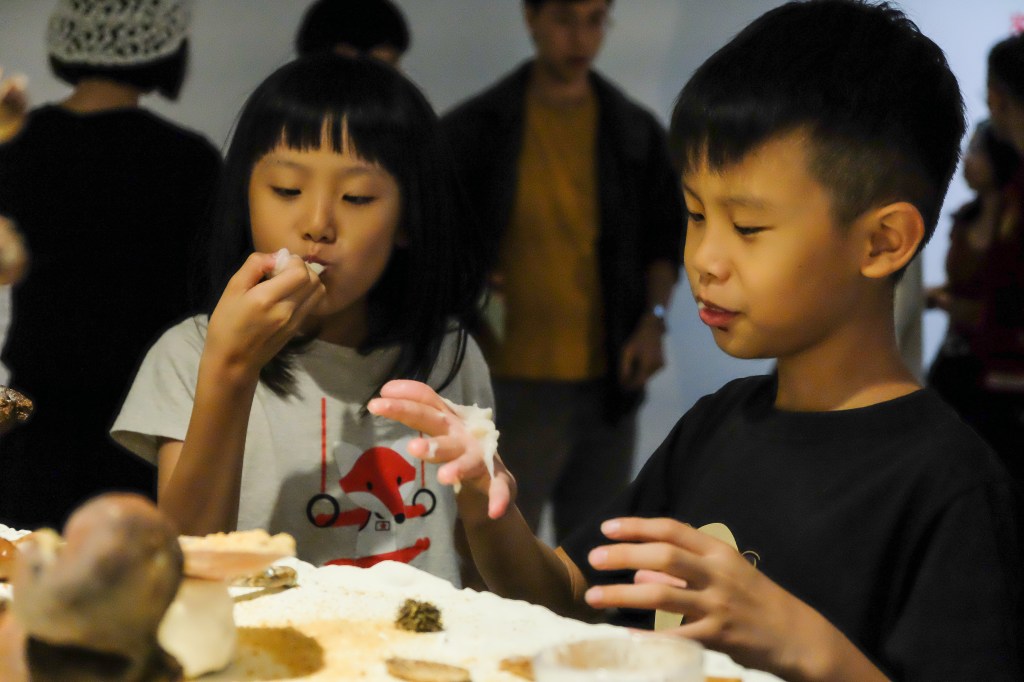
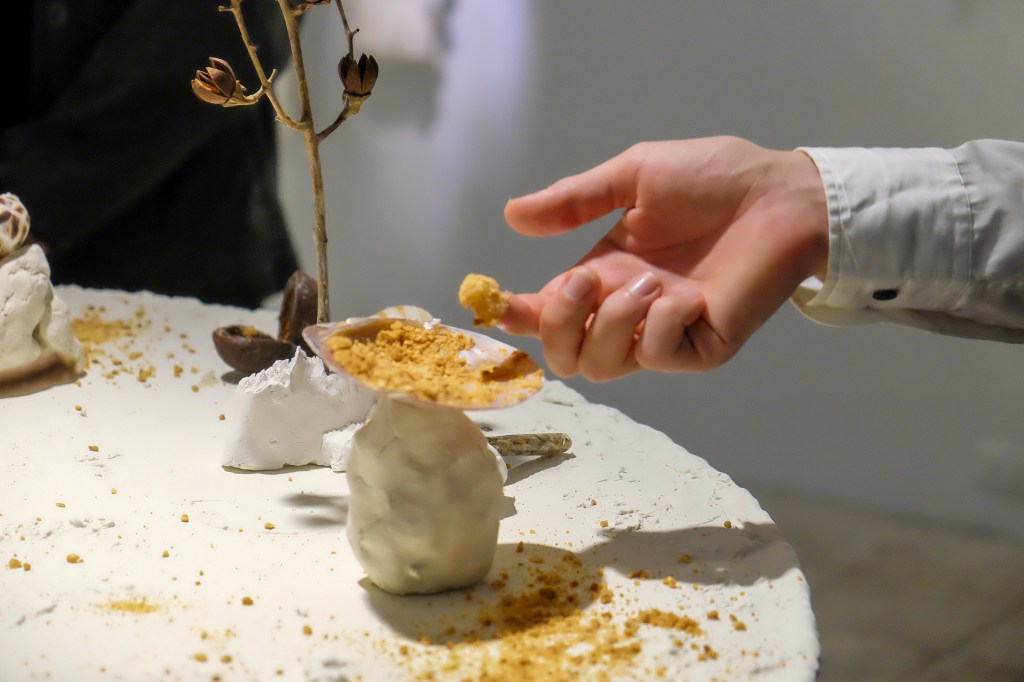
Upon entering the exhibition space, you will notice, spread around and across, small heaps of soil. Weaving back and forth in between artworks, sometimes part of the artwork themselves, other times leading the way, they prevent the usually established circulation in the exhibition space as if departing from the white cube, and inviting the audience to step into a space unknown yet familiar, as when treading into an unsoiled narrow trail, five senses heightened, this feeling of the unknown steering you forwards. In this soil, concealed therein, past existence and present life, of people, of human civilization, identity, comprising their food, the doings of Prometheus, mixing soil and river water, shaping people to his likeness, and of Chinese tomb art, how it concealed heavens beneath the ground; today, unprocessed off its worms and spreading across the entire exhibition space, this soil connects people together. Held on this bed soil, food-based artworks, difficult to display in museums, today will come to you in the form of a tea party. This dinner party held on the ground will act as our way of understanding cross-culturalism. It symbolizes a group of people from different backgrounds, coming closer together through an art dinner gathering.
進到展場時,你會見到蔓延於展場周遭的小土丘,它們消彌了展場空間既定的動線,穿梭在藝術家作品之間,有時候它作為藝術家作品的一部分,而有時候泥土引導著空間動線,似乎抽離了白盒子,邀請觀眾踏入了一個似曾相似卻又未知的空間之中,像是走入未被踩踏過的小徑裡五感被放大時,未知感驅動著你前進的經驗。土壤聯繫著人與人,也埋藏了人的前世今生、人的文明、人的身份甚至是人的食物,神話裡普羅米修斯將泥土混合著河水依著自己的形像造人,中國的墓葬藝術在地底下藏了天堂,今日這些土壤未經除蟲的程序蔓延於整個空間,今日美術館難以展列的食物類型作品以茶會之姿在展場與各位相會,在泥土上的一切,作為我們理解跨文化的方法。
Wang Ay-Mei 王愛眉
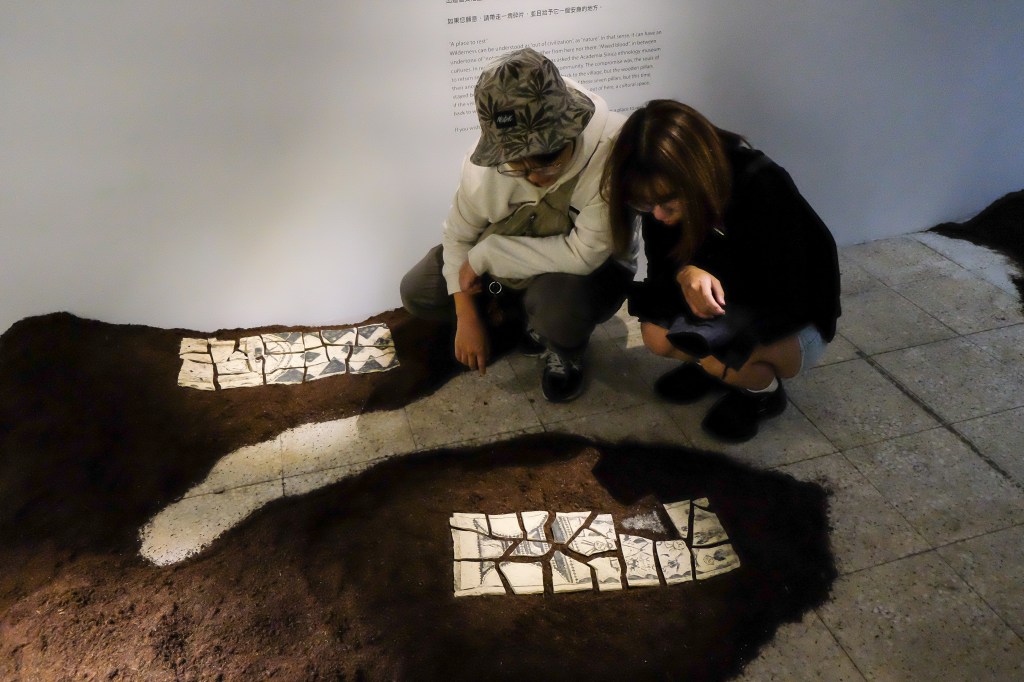
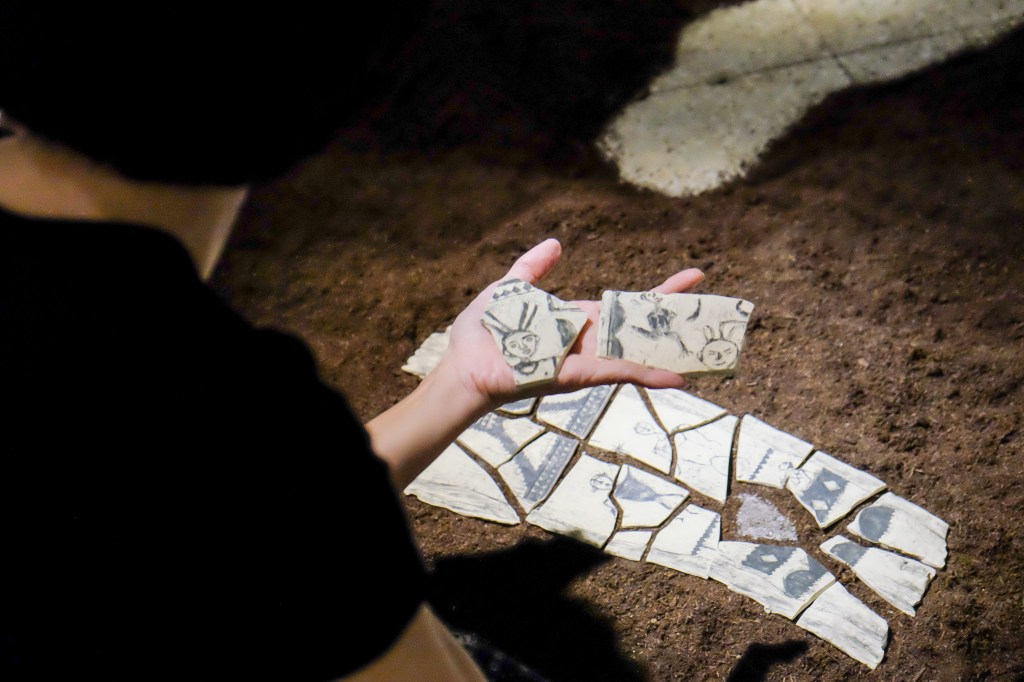
Wang Aymei attempted a different approach from her usual media of painting/image editing when she was in Belgium, breaking fine pottery into fragments and combining them afterwards, exploring a process of memory and identity riddled with self-censorship. Wang Aymei thought about the attributes of the Tafalong kakita’an’s columns, their story as artefactual embodiments of a culture that suffered censorship from other cultures, she tried to replicate the columns’ portraits in pottery fragments and allowed them to be taken away by visitors. Through this process, she hopes to invite people to think about the relationships between fragmenting, dislocating, multiplying and sharing.
王愛眉從轉化影像繪畫的語境,將繪製的陶片破碎、重組、再描繪,探索自身的文化記憶。王愛眉對太巴塱祖屋(kakita’an)樑柱歸於中研院的事件提出疑問,感受到文化上客體化與被客體化之間的拉扯,她從自己的藝術語彙出發轉譯了樑柱的媒材語言,並以作品可以被帶走的方式,思考「殼」與「魂」的關係。
Kao An-Bo 高安柏
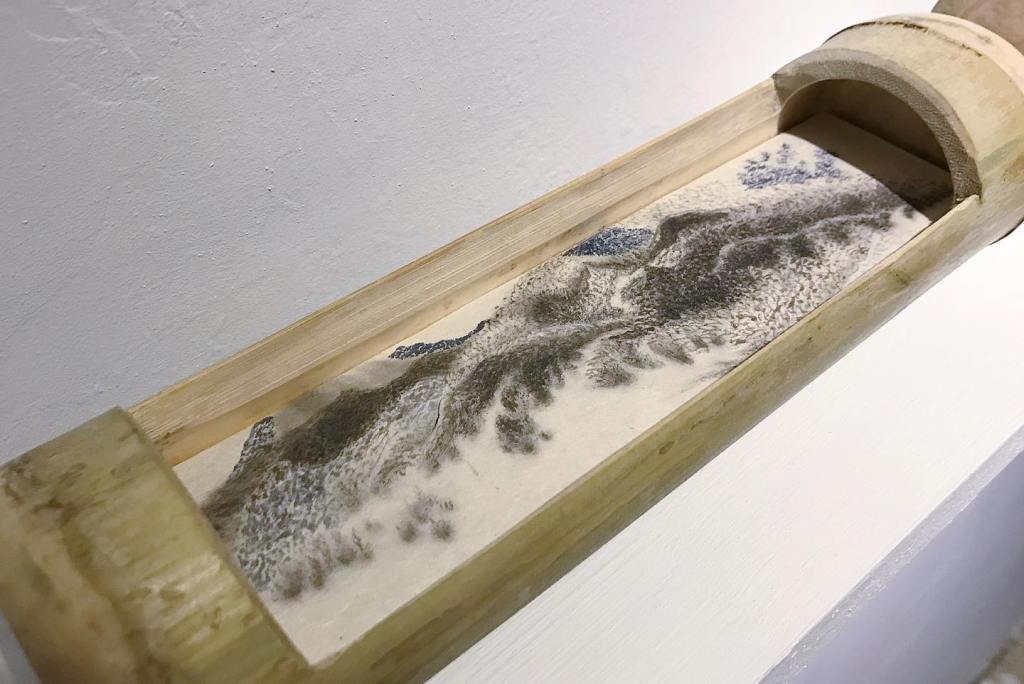
Inspired by the ghost legends in Taiwan’s mountains and forests, Kao An Bo sought to change the traditional Chinese ink landscape painting. He wanted to use his own mountain-climbing experiences to create a mysterious feeling, with the mixture of ink paint and the land of Taiwan. Kao An Bo developed his work using bamboo tubes (a tool used in daily life by the tribe) to represent the mounting specifically used in Chinese ink painting. He is trying to find the common points between Chinese ink landscape paintings and the materials.
高安柏的作品轉化了傳統山水畫形式,以台灣山林的「魔神仔」傳說為靈感,透過自身登山的經驗建構出具有神祕經驗的山水圖像,同時體現了水墨文化與台灣土地交融所產生的變異風景。高安柏從部落日常所使用的竹筒發想,並以水墨裝裱形式作為想像,嘗試找到山水畫與材質共存的語言。
Siyat Moses 阮原閩
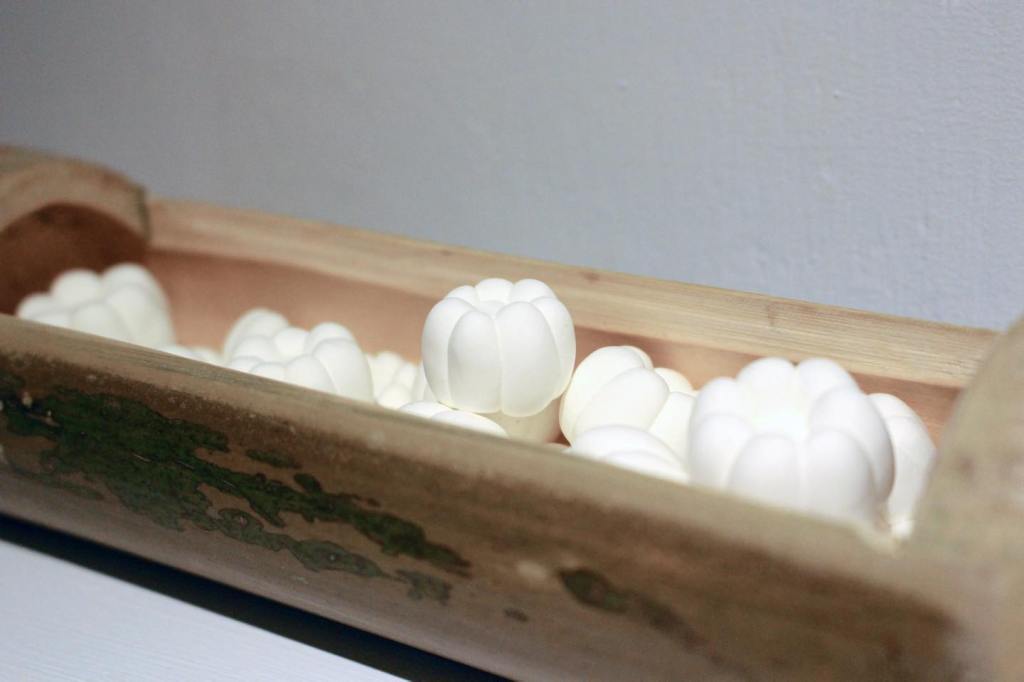
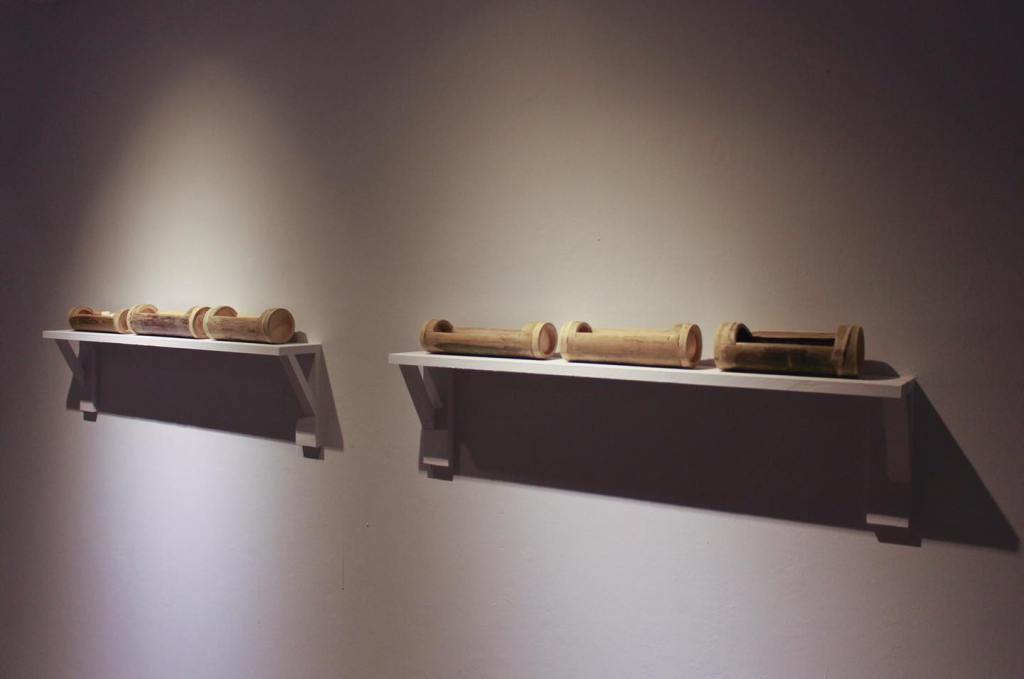
Siyat Moses focused on the self-identity problems of Aboriginals living under the rapid expansion of modernization and globalization. He is an expert in creating lithography works, featuring flatness and indirectness combined into a mixed medium. Siyat Moses derived six objects from Tafalong myths, where each object is related to his own identity. The analogy of these objects reflects their own situation as aboriginals.
阮原閩長期關注當代原住民族在面對現代化與全球化急遽擴張下,對於身分認同的追問,作品擅長使用版畫特有的平面性與間接性,並結合可與之對話的複合媒材。阮原閩透過追溯太巴塱神話故事,從故事中衍生出六個物件,每一個物件皆與自身的身份有關,透過將物件規格化的方式隱喻自身的處境。

Lo Wan-Yun 羅婉云
Lo Wan Yun cared about the linear context in history, and the fleeting events in human society, which she extends to the experience of sensation. Focusing her work on things bound to disappear or be forgotten, she looked back and memorized the traces of these moments in fragments of human activities. Lo Wan Yun found that the eating habits of mochi in the tribe, despite similarities, were still quite different from Hakka mochi, not only in the ingredients but also in the way of eating. It further inspired her to think about how to reinterpret the forms of mochi and how to consume it. She compared the stickiness of mochi, the tedious ways to eat it, to the difficulties of cultural integration.
羅婉云關注人類活動中,無論是歷史的線性脈絡或是人類社會結構中「稍縱即逝」的過程,並將其延伸至五感經驗。在創作中常聚焦於將要被淘汰和遺忘的人事物,回看和記憶人類片段當下的痕跡。羅婉云發現部落中食用麻糬的方式與客家麻糬差異甚大,同樣是麻糬,不僅是食材或是飲食的方式皆不同,從而試著思考麻糬可以如何在形式及食用上重新詮釋,利用麻糬黏稠的特性與不乾脆的食用方式隱喻文化交融的狀況。

報導 News & articles:
Related article 相關文章: Humus 混血人

 Lu Wei